members

Transforming rooftops together

The European Creative Rooftop Network brings together organisations and cities across Europe that put unused rooftops to work for culture, nature, climate and community. Meet the members.


De EnergieKas

The Hague, the Netherlands

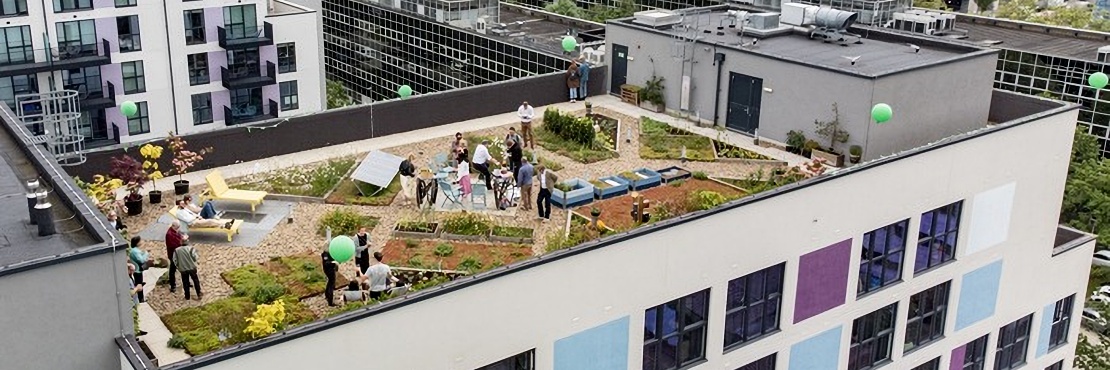
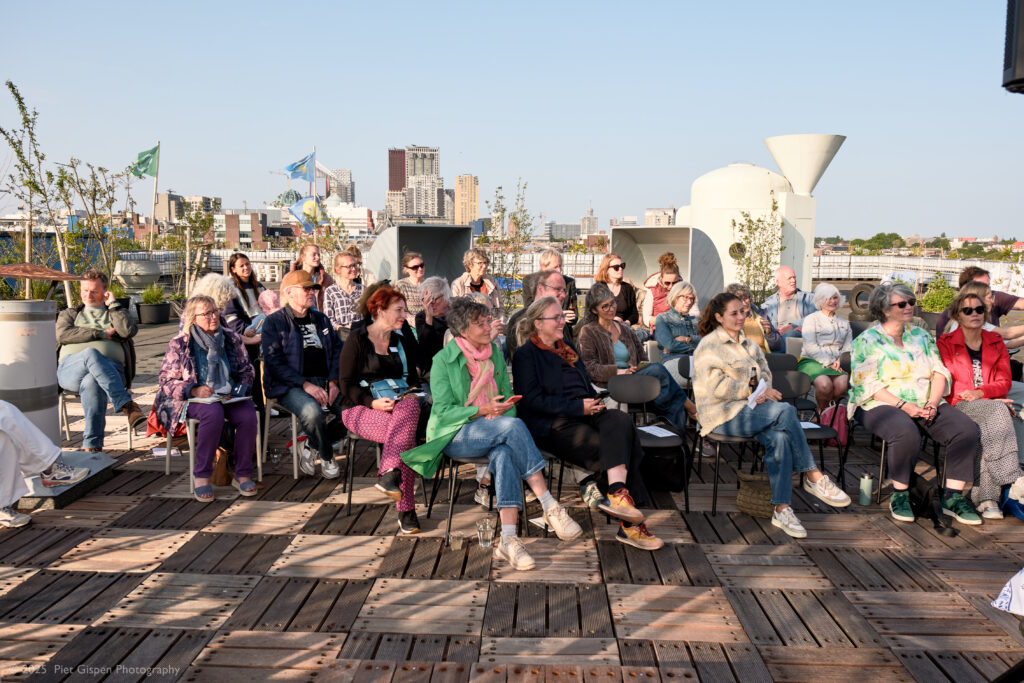
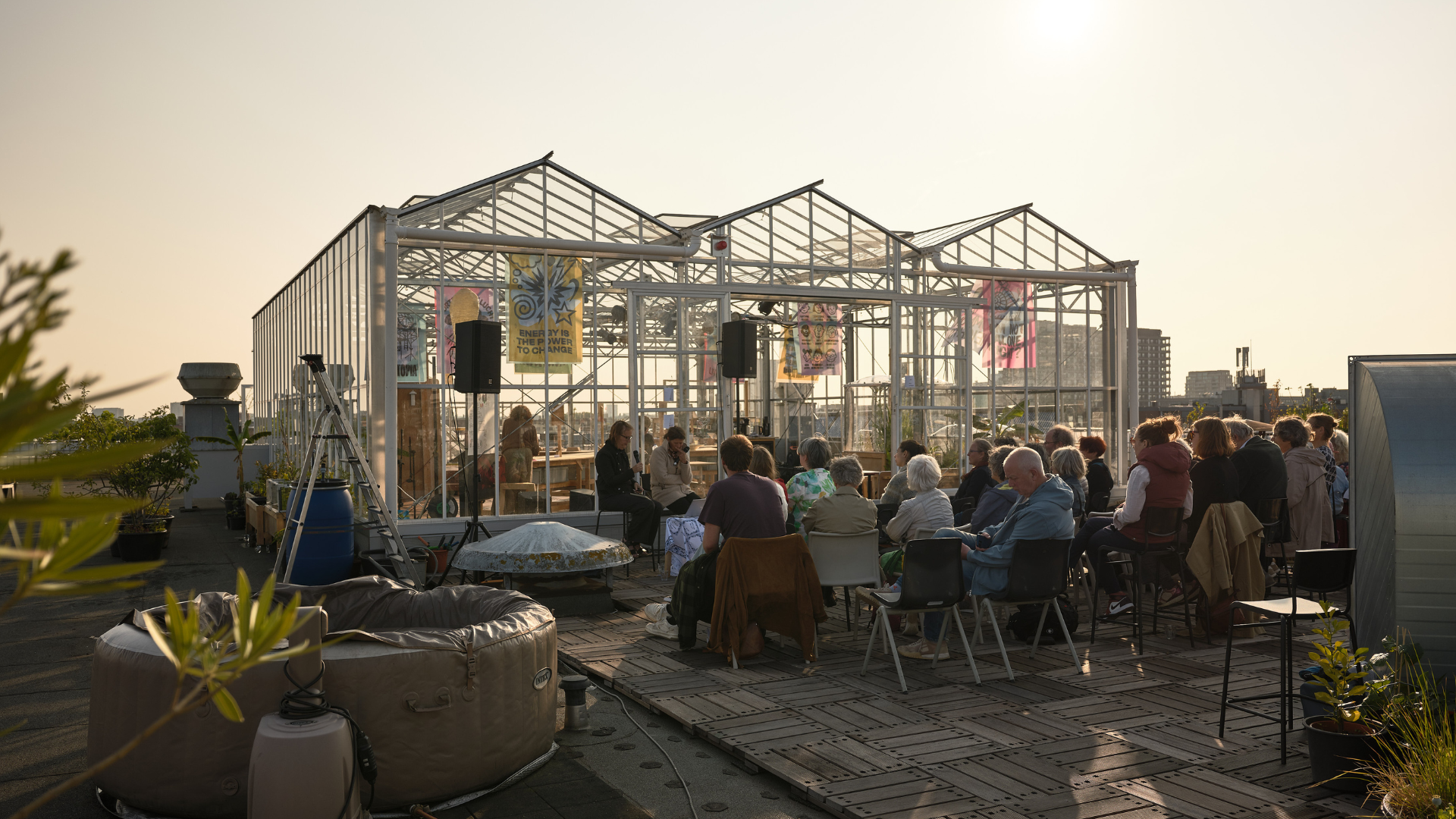
On a roof of almost 2,000 m² on top of De Helena in central The Hague, volunteers, neighbours, artists and designers bring together art, climate and science. EnergieKas develops and tests sustainable ideas such as rooftop allotments and a native rooftop meadow, and hosts workshops, lectures and meetups.

website
City of Rotterdam

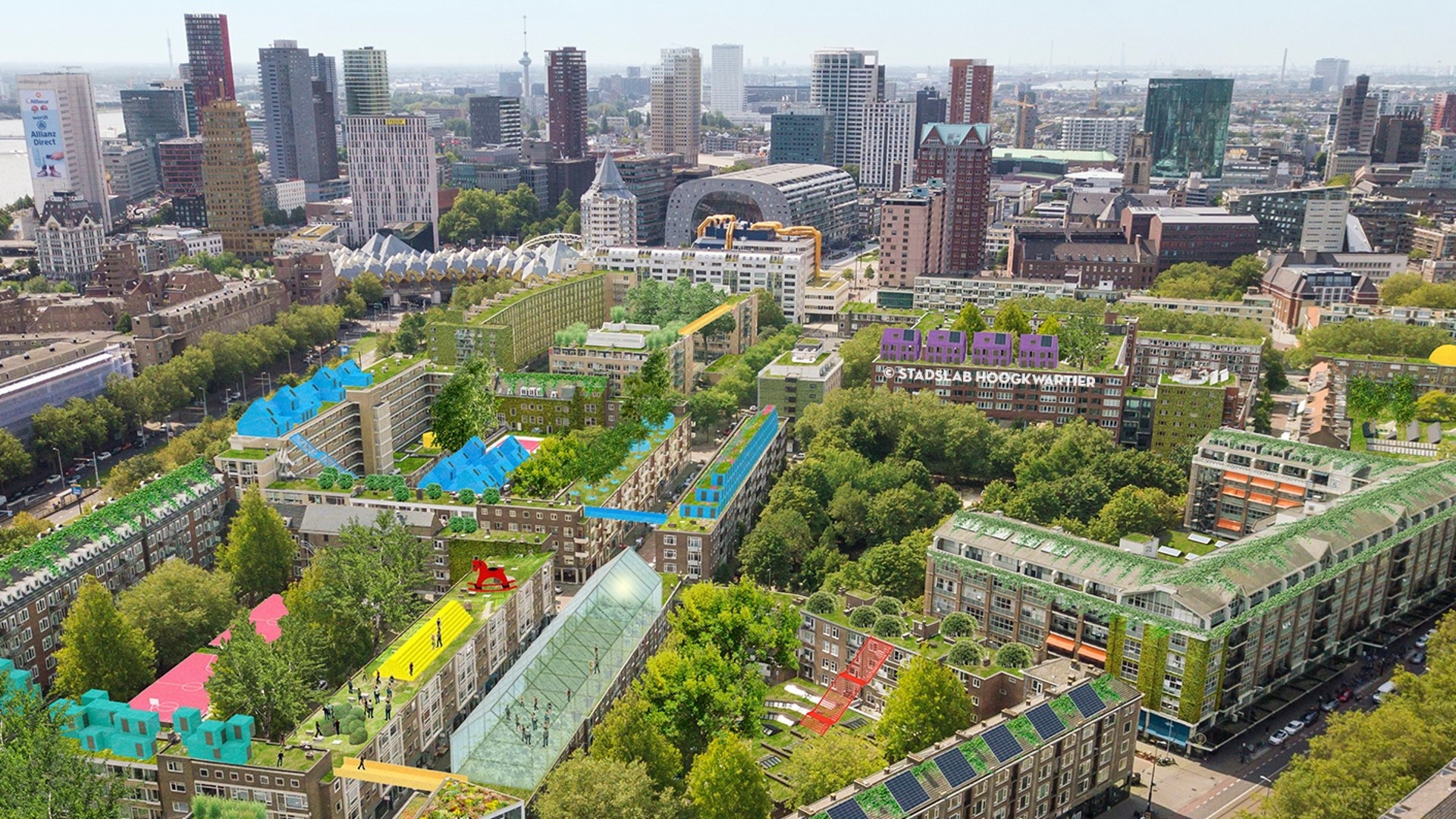
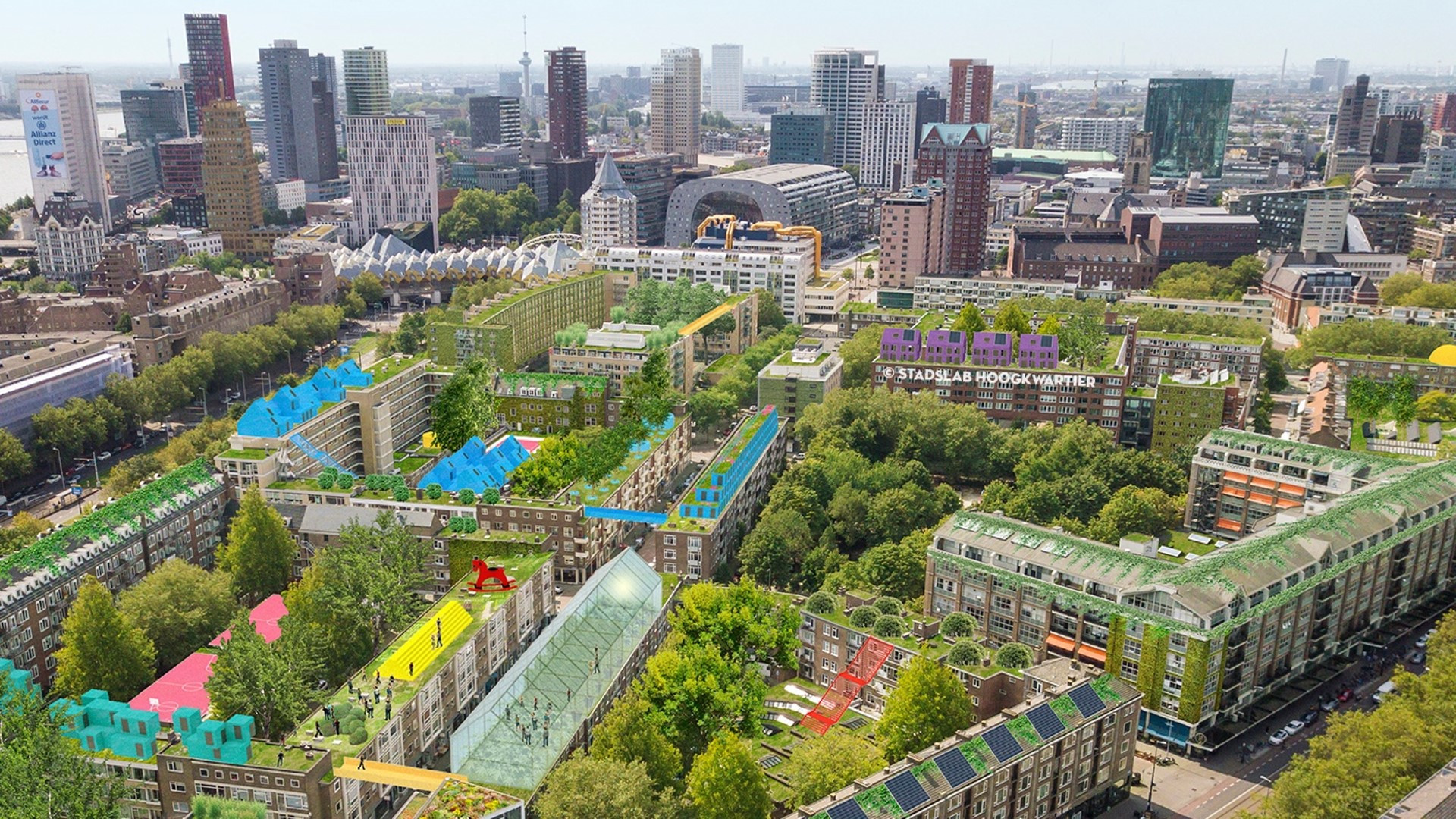
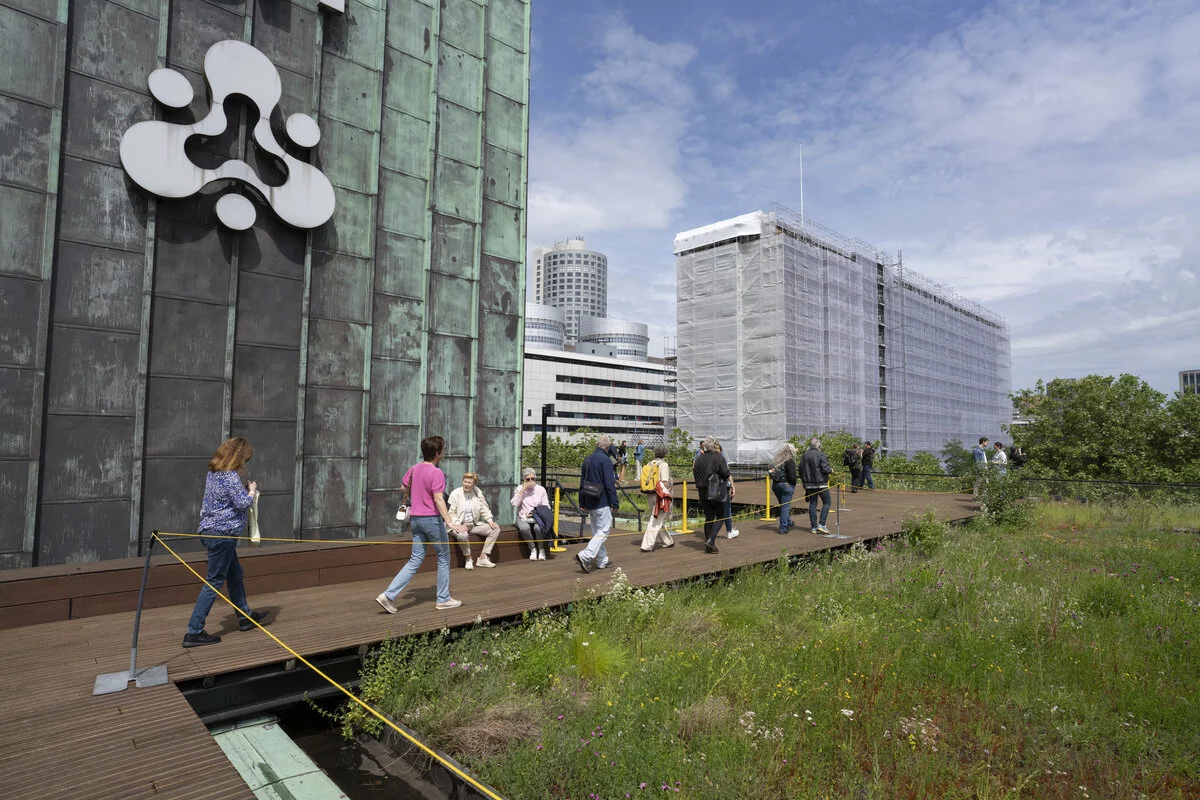
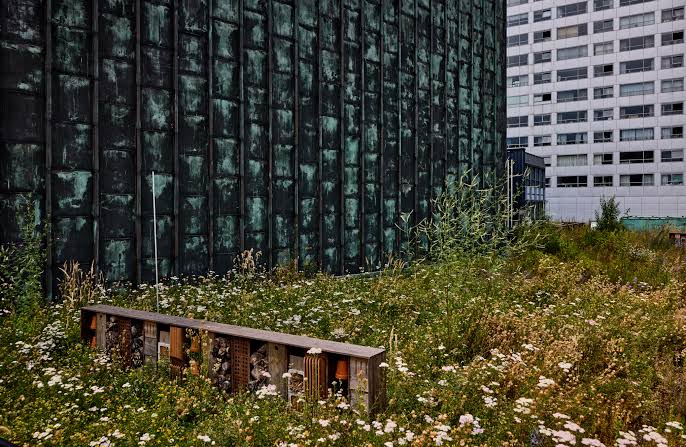
Rotterdam is one of Europe’s frontrunners in multifunctional roofs. The city sees its 18km2 of flat rooftops as a key resource for water storage, greenery, energy and new public space, and actively encourages owners to put them to use. Rebuilt in a modernist style after the second world war, the city centre boasts an impressive 1 km2 of rooftop space on buildings with relatively large footprints. By utilising this surface to the fullest, the city hopes to become a biodiverse ‘blue-green water city’ by 2050. 

Multi-functional rooftop policy

CSFE / Paris Rooftop Days

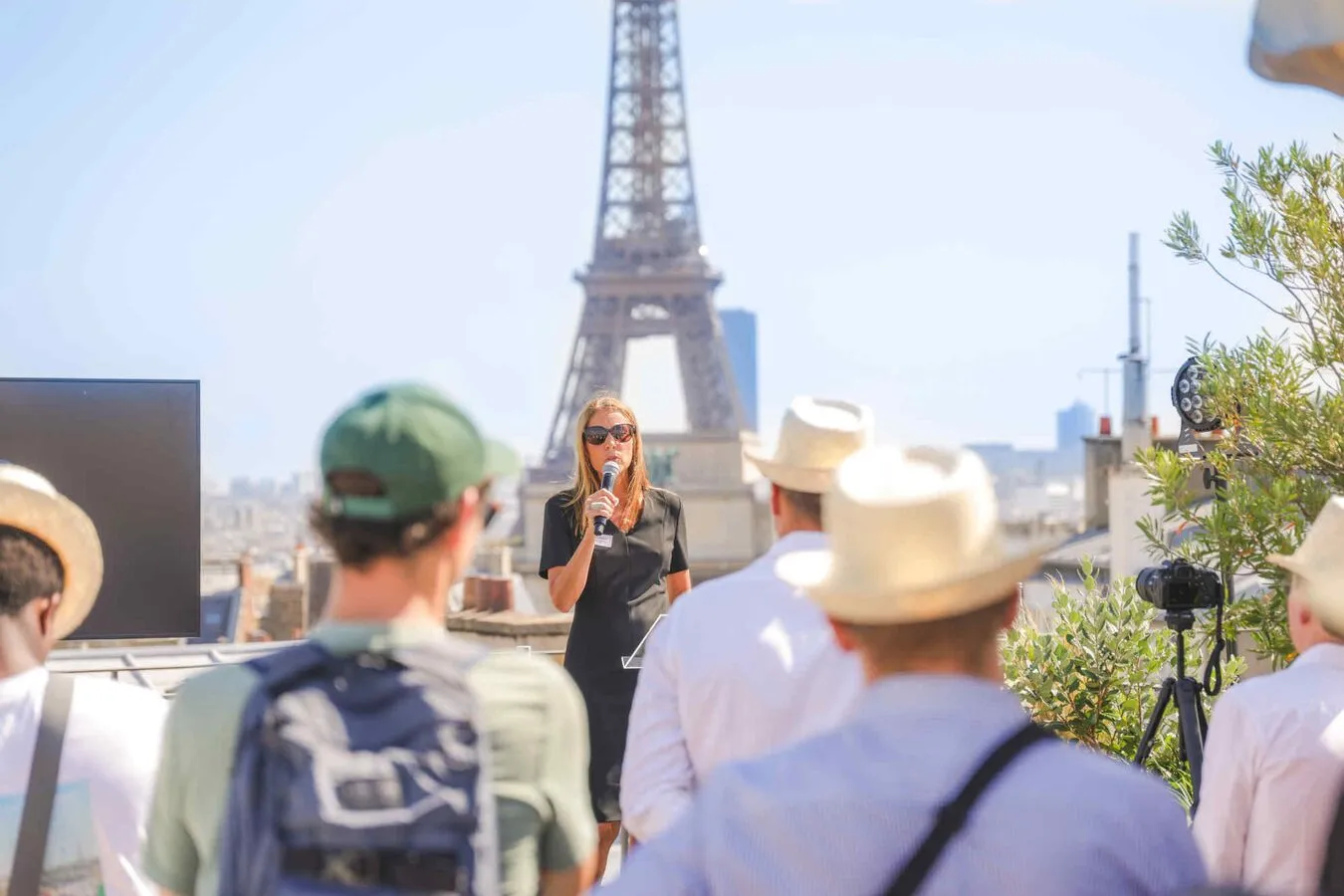
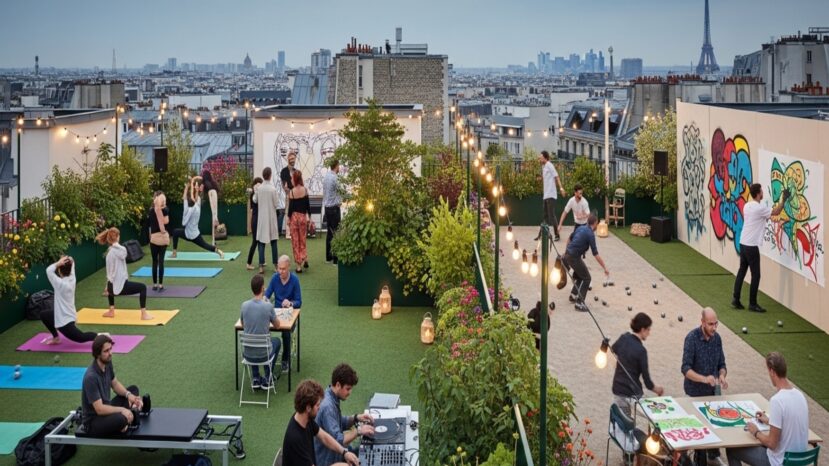
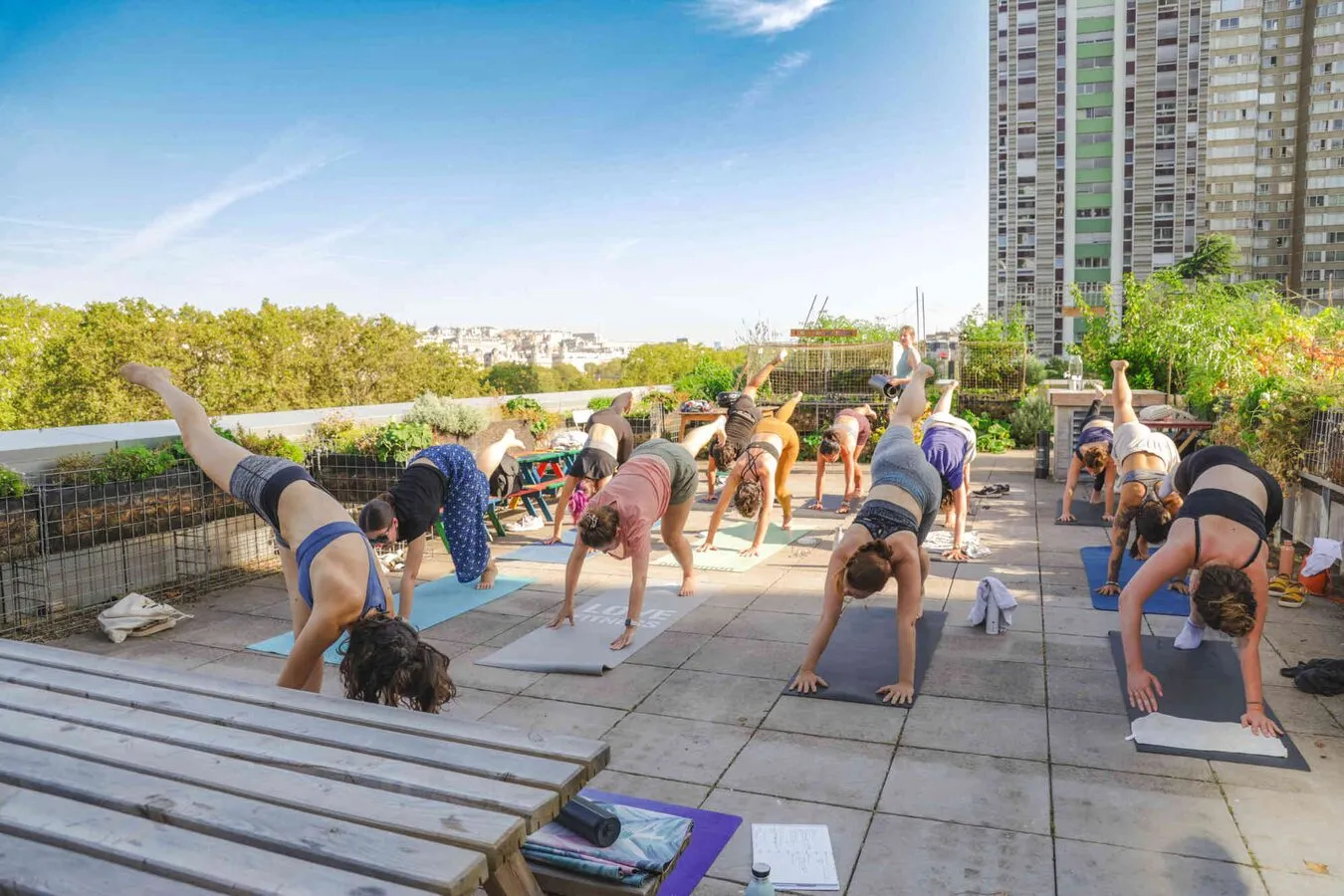
The CSFE is the French trade association for roof waterproofing. Together with Adivet, the French green roofs and façades association, it organises the Paris Rooftop Days, an event showing the potential of Parisian roofs to the public, building professionals and policymakers. The 2025 edition drew close to two thousand visitors, with sport, workshops and talks on rooftops across the city.

Paris Rooftop Days

Roofscapes

Paris, France

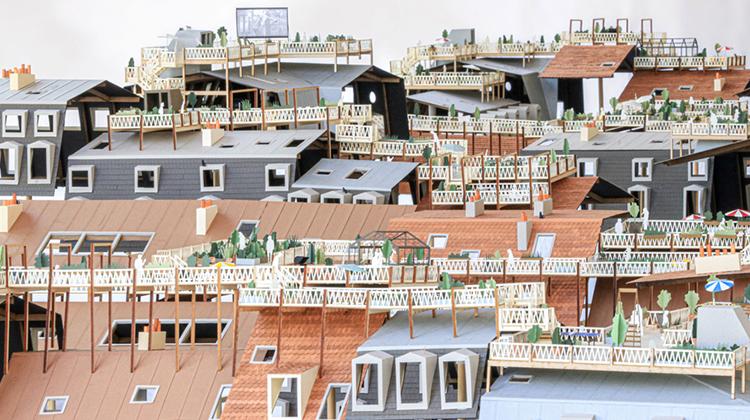
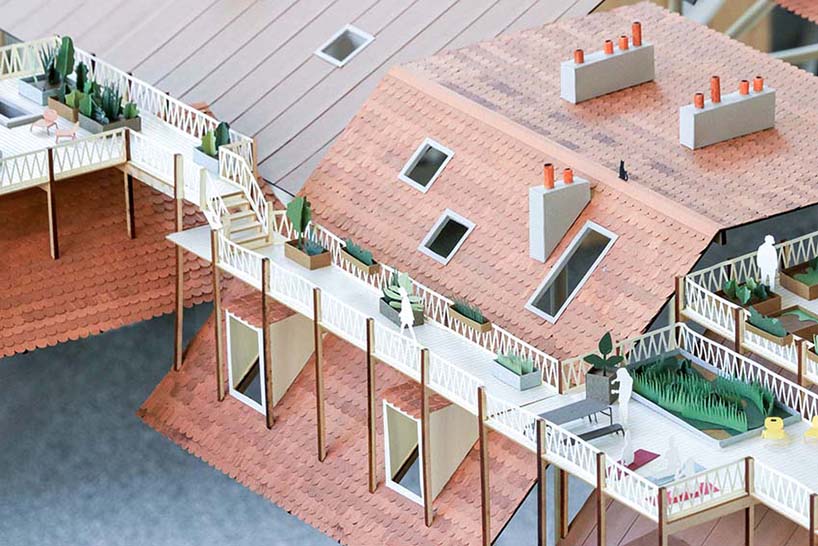
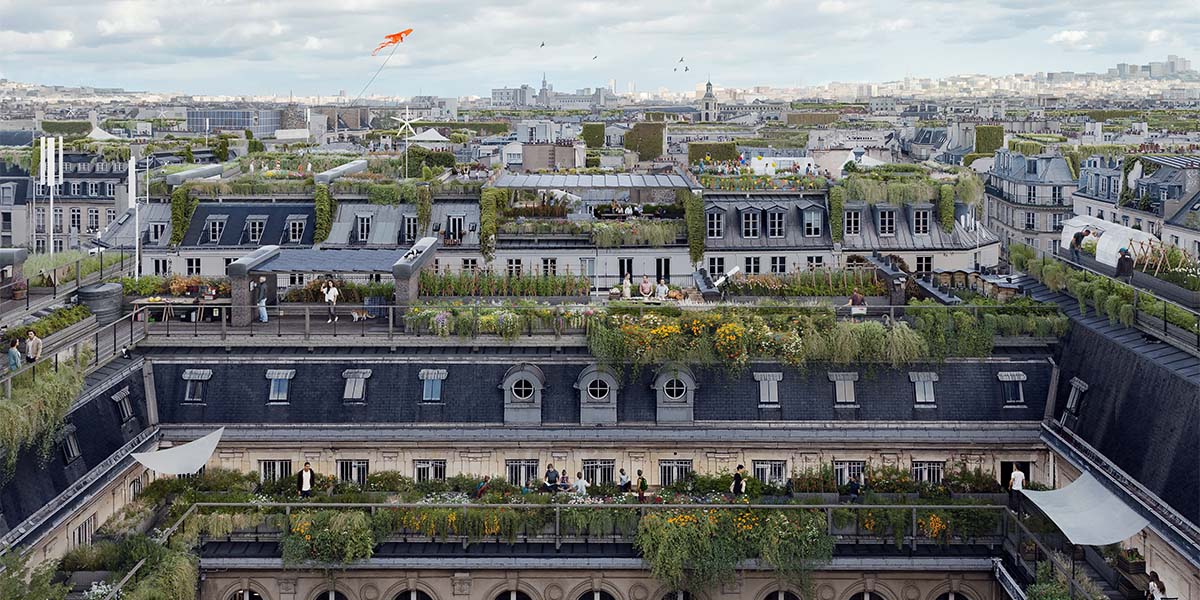
Founded in 2020 by three MIT graduate students, Roofscapes focuses on Paris’s iconic sloping roofs. Using timber platforms, it shades, greens and opens up pitched roofs that were previously unused, working with condominium associations, property owners and local authorities such as the City of Paris. The aim: reduce urban heat, support biodiversity and create new outdoor space.

website

Obenstadt

Hamburg, Germany

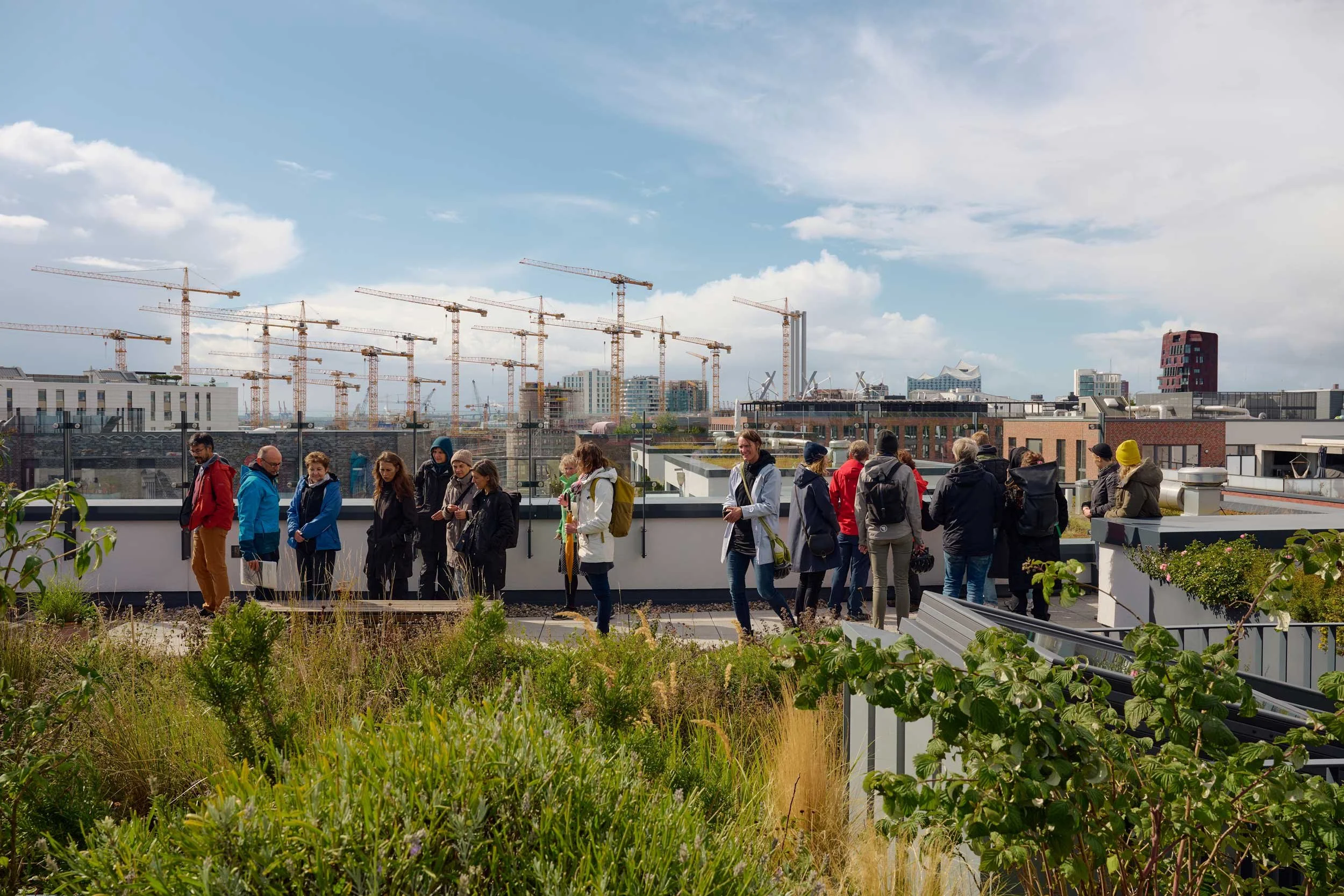
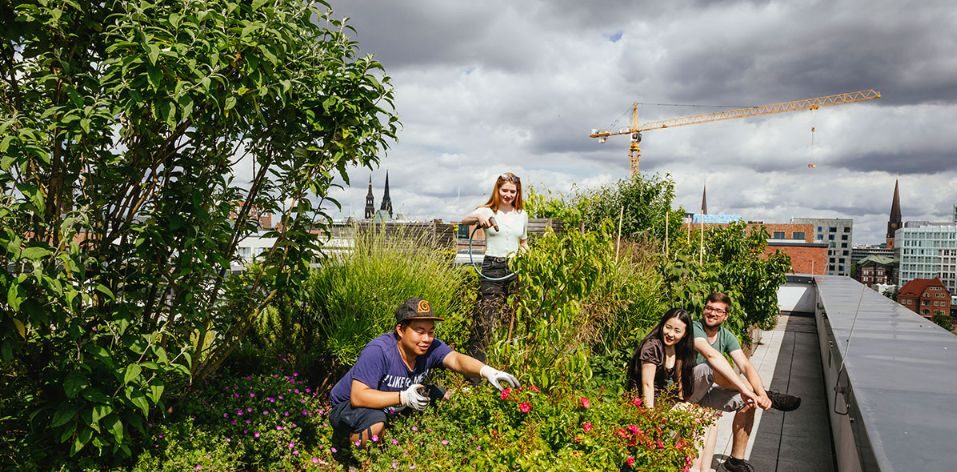
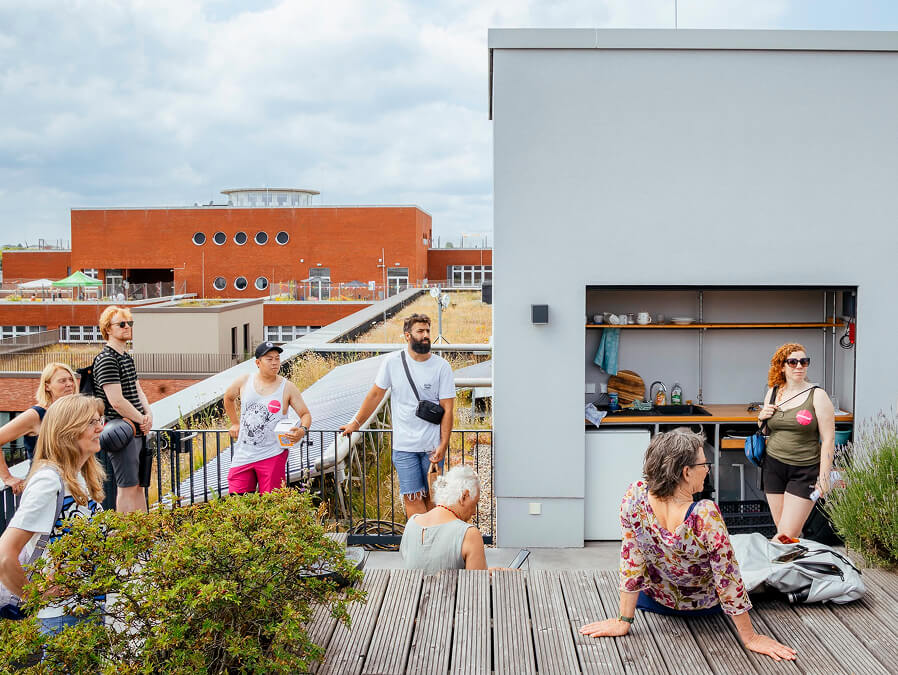
Obenstadt e.V. is a non-profit association that wants Hamburg’s rooftops to become living space for people, plants and animals alike, as places to meet, grow food, shelter wildlife or create green oases. Hamburg has more than 37 km² of flat roofs that are hardly used, about 25 times the size of the city’s Stadtpark. Since 2022, obenstadt has organised the Hamburger Dachtage in cooperation with the City of Hamburg. With tours, events and public debate, it opens up roofs that are normally closed to the public and highlights their value for climate, biodiversity and urban life. 

website

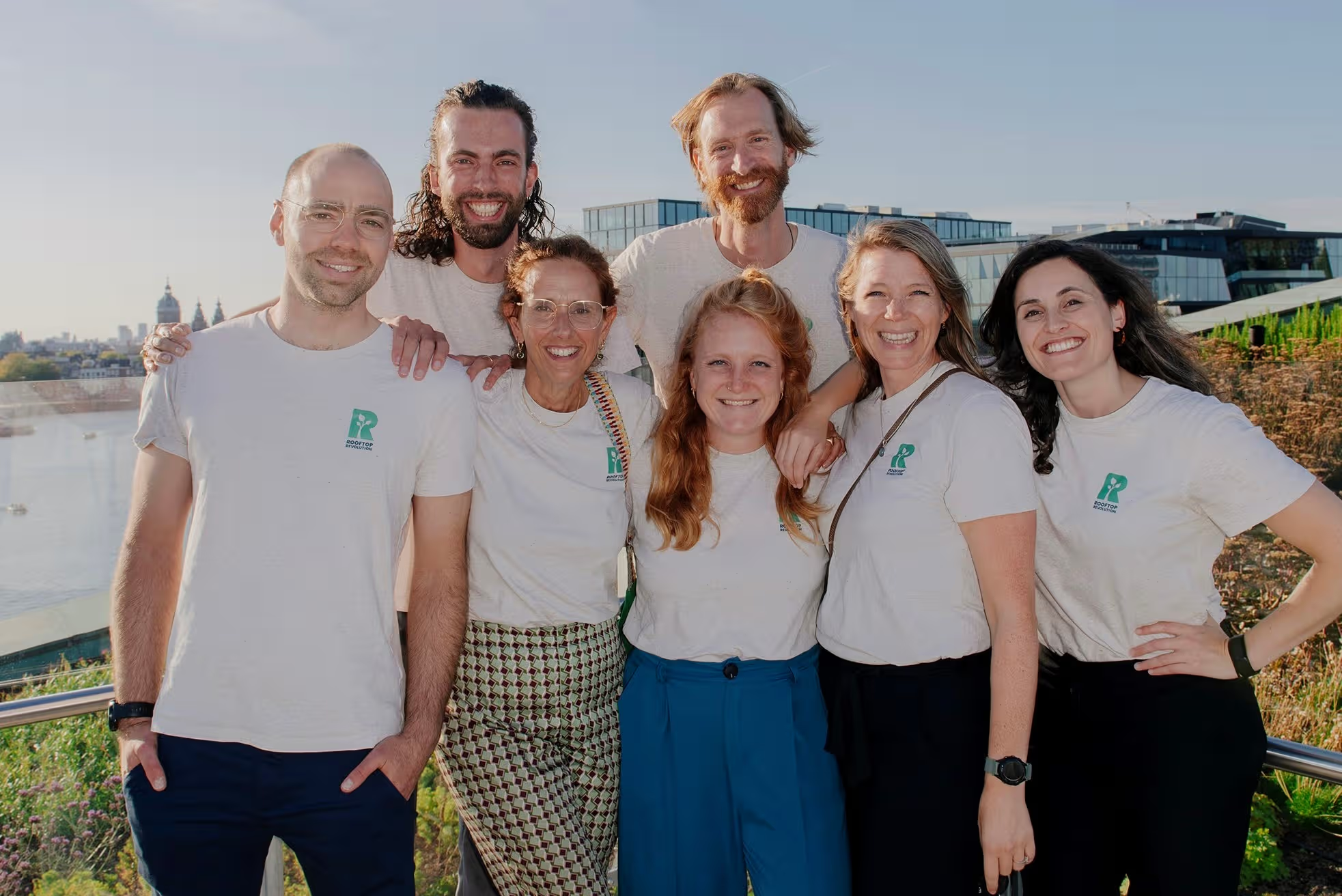
Rooftop Revolution

Amsterdam, Netherlands

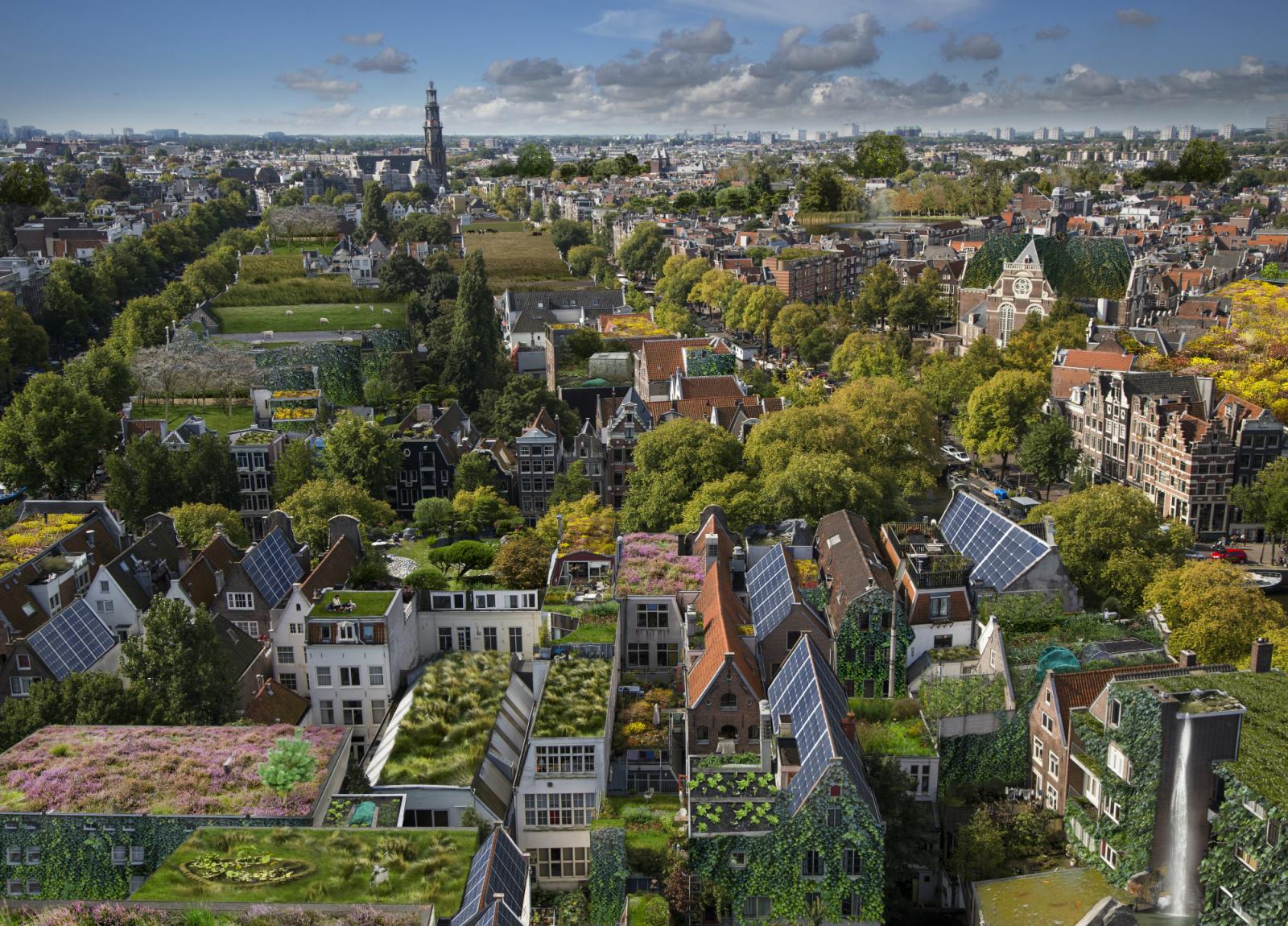
Rooftop Revolution is an independent non-profit that brings nature back into the city by using its largest unused space: the roofs. It advises housing associations, developers and other property owners on making their roofs more sustainable, supports governments with rooftop policy and climate adaptation, and helps residents and entrepreneurs who want to green the roofs in their own neighbourhood. In 2024 it organised the first Roof to Roof Run, a race across Amsterdam’s rooftops on World Green Roof Day.

website

Volle Grond

Antwerp, Belgium

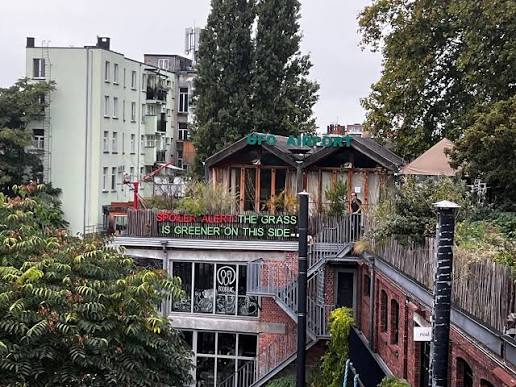
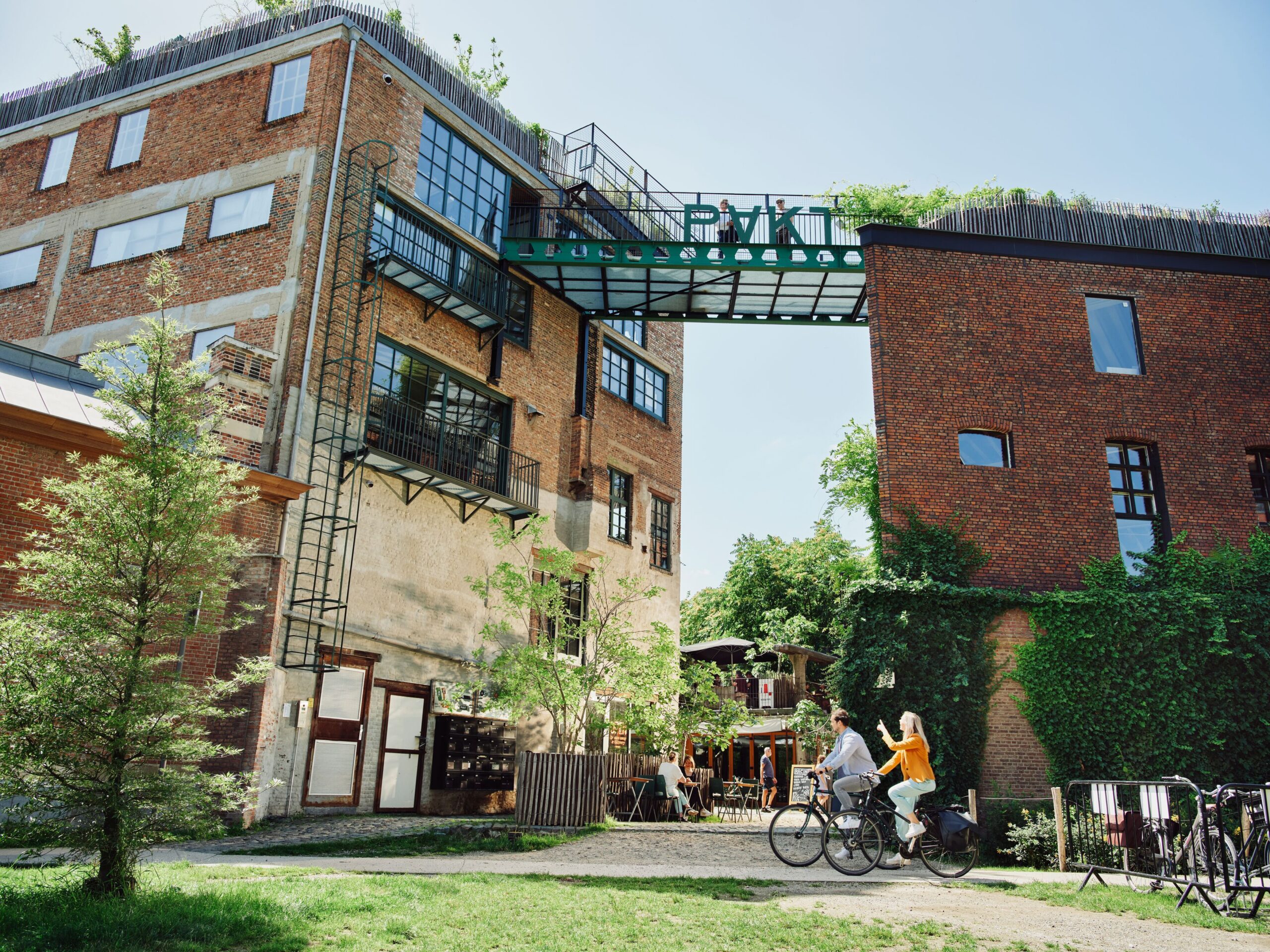
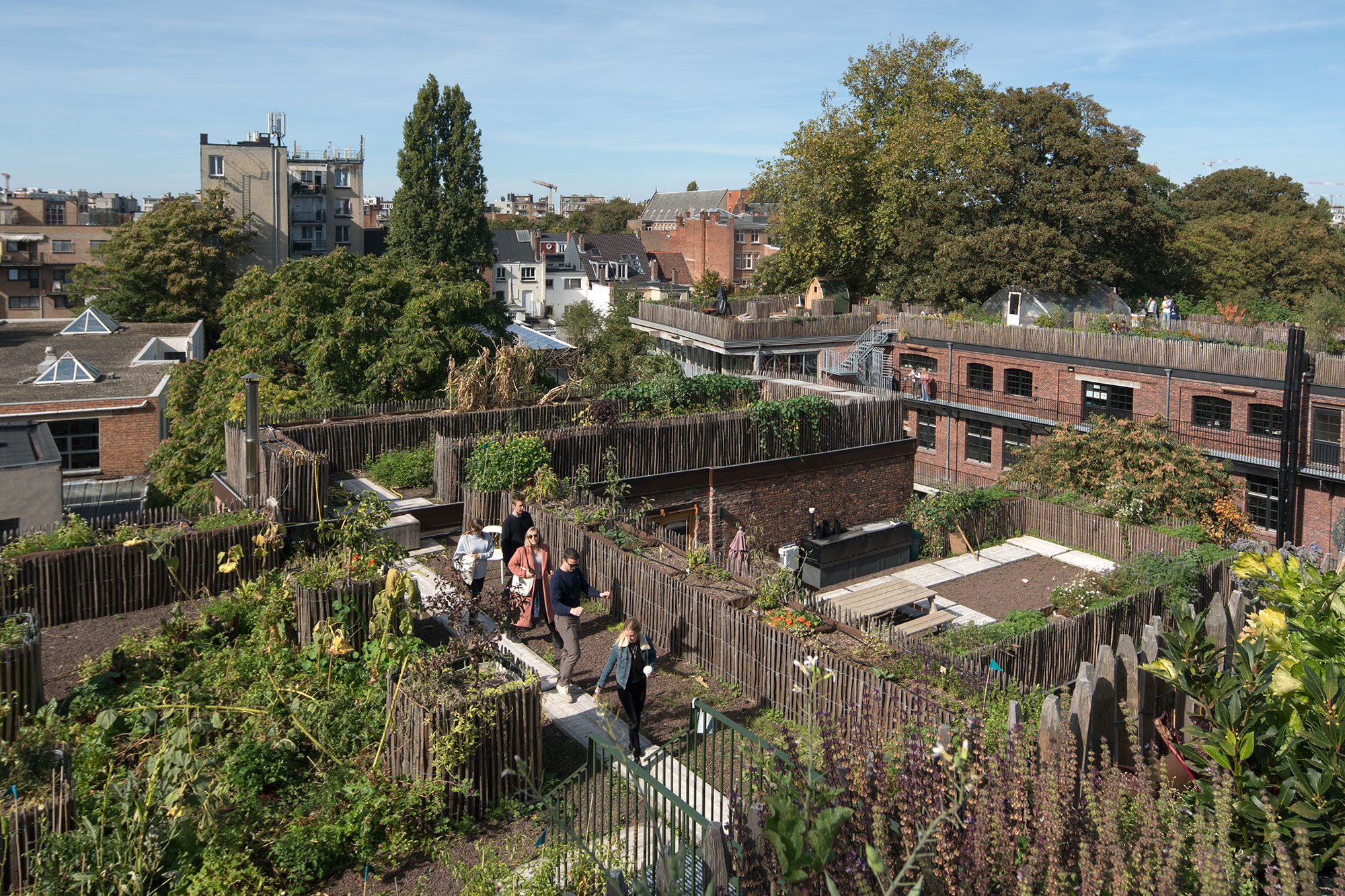
At PAKT, a group of former warehouses in Antwerp’s Green Quarter, an 1,800 m² circular urban farm was created on the rooftops, growing vegetables and herbs since 2017. Volle Grond runs this rooftop community space and vegetable garden, supporting around 100 members and welcoming thousands of visitors each year. With support from the City of Antwerp, Volle Grond was able to screen more rooftops across the city to bring its social, educational and circular model to new locations. This has led to the creation of more green and cultural rooftops, such as the Zuiderdaken on top of the MuHKA, Museum of Contemporary Art Antwerp. 

Website

Gardens in the Sky

Bridgman & Bridgman, Milton-Keynes, UK

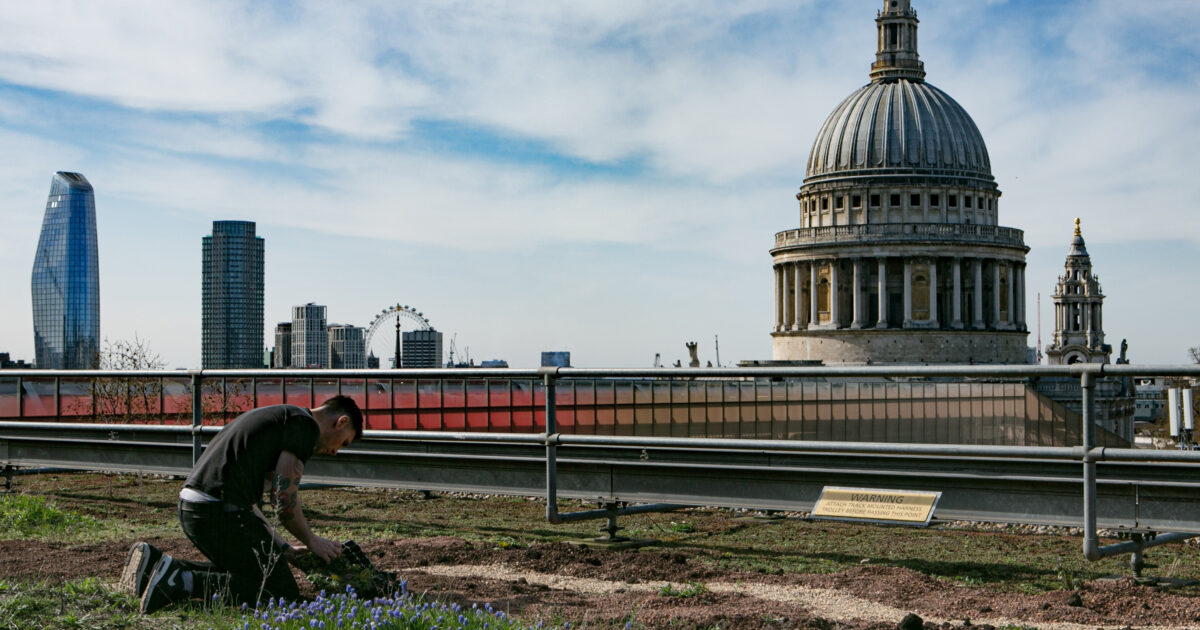
Led by Chris Bridgman, Bridgman & Bridgman has designed, installed and maintained living roofs since 2009. Its projects include the largest turf roof in Europe and a green roof on the tallest modular building in the world. Through its Green Roof Project, it runs live projects and training to inspire social change and create green jobs. Chris Bridgman founded World Green Roof Day (6 June) with Dusty Gedge in 2020. He chairs the UK’s Green Roof Organisation (GRO) and is Vice President of the European Federation of Green Roof and Wall Associations.

Website

City of Antwerp

Antwerp has the equivalent of 3,000 football fields of flat roofs, hardly used. Since 2018 the city has organised the artistic rooftop festival DAKkan, which now aims to create more sustainable and public rooftop space through debate, lobbying, research and cultural activities.

DAKkan

Coincidències

Barcelona, Spain

Founded in 2013 to create new cultural experiences, Coincidències sees Barcelona’s roughly 1,800 hectares of rooftops as a stage for the performing arts. Its festival Terrats en Cultura lets people discover Barcelona from new perspectives across different neighbourhoods, while building a network of alternative cultural venues.

Coincidencies

City of Chemnitz

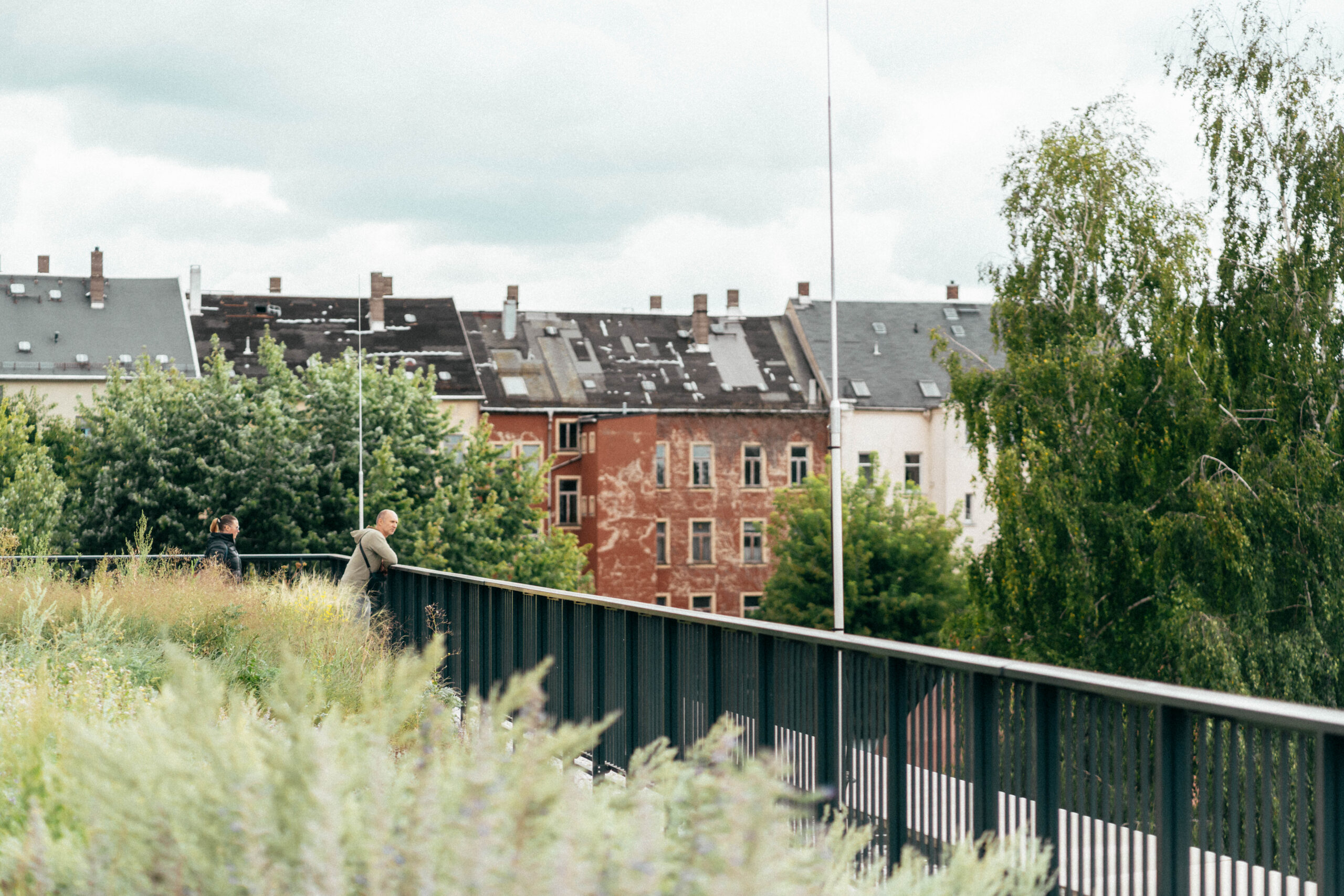
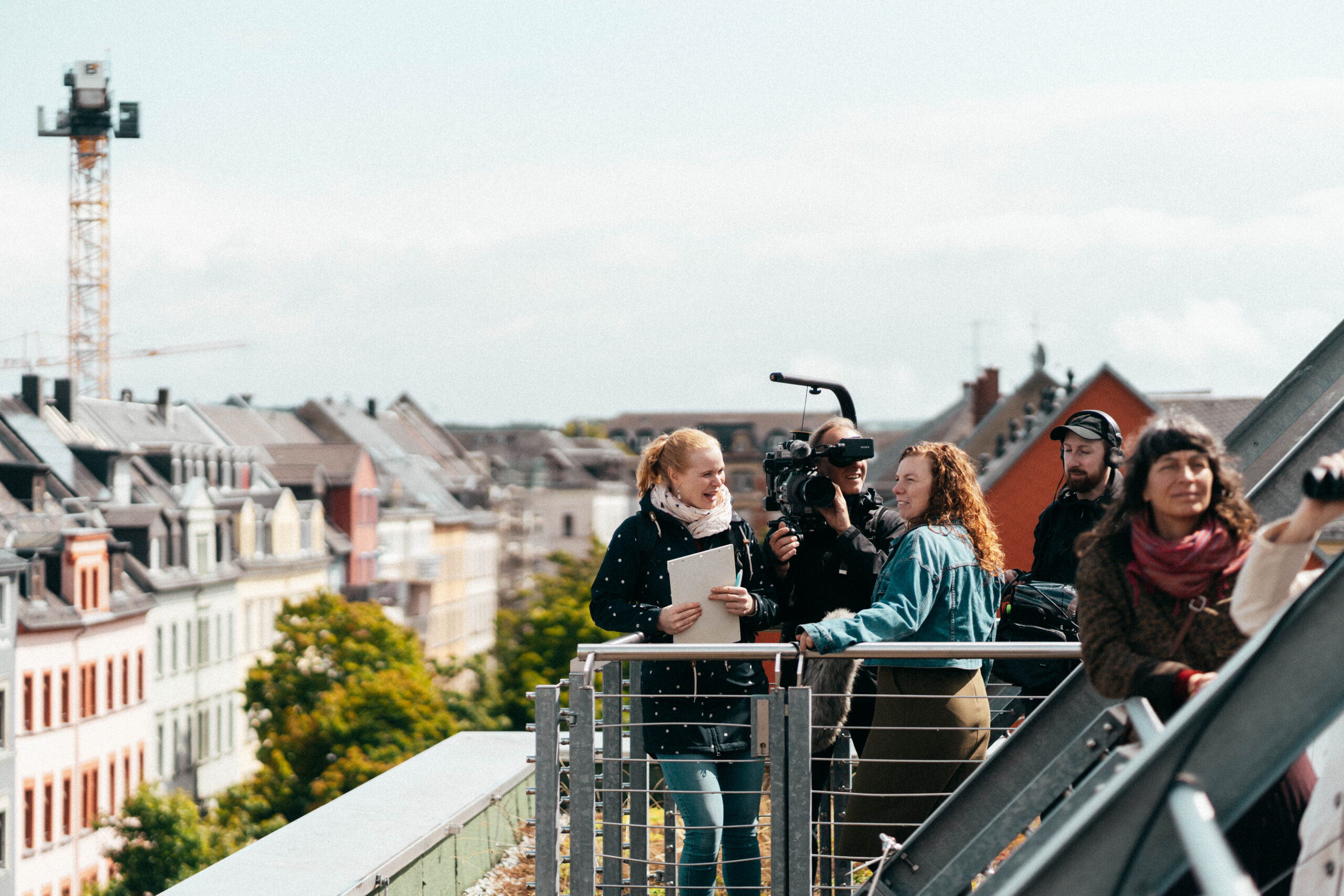
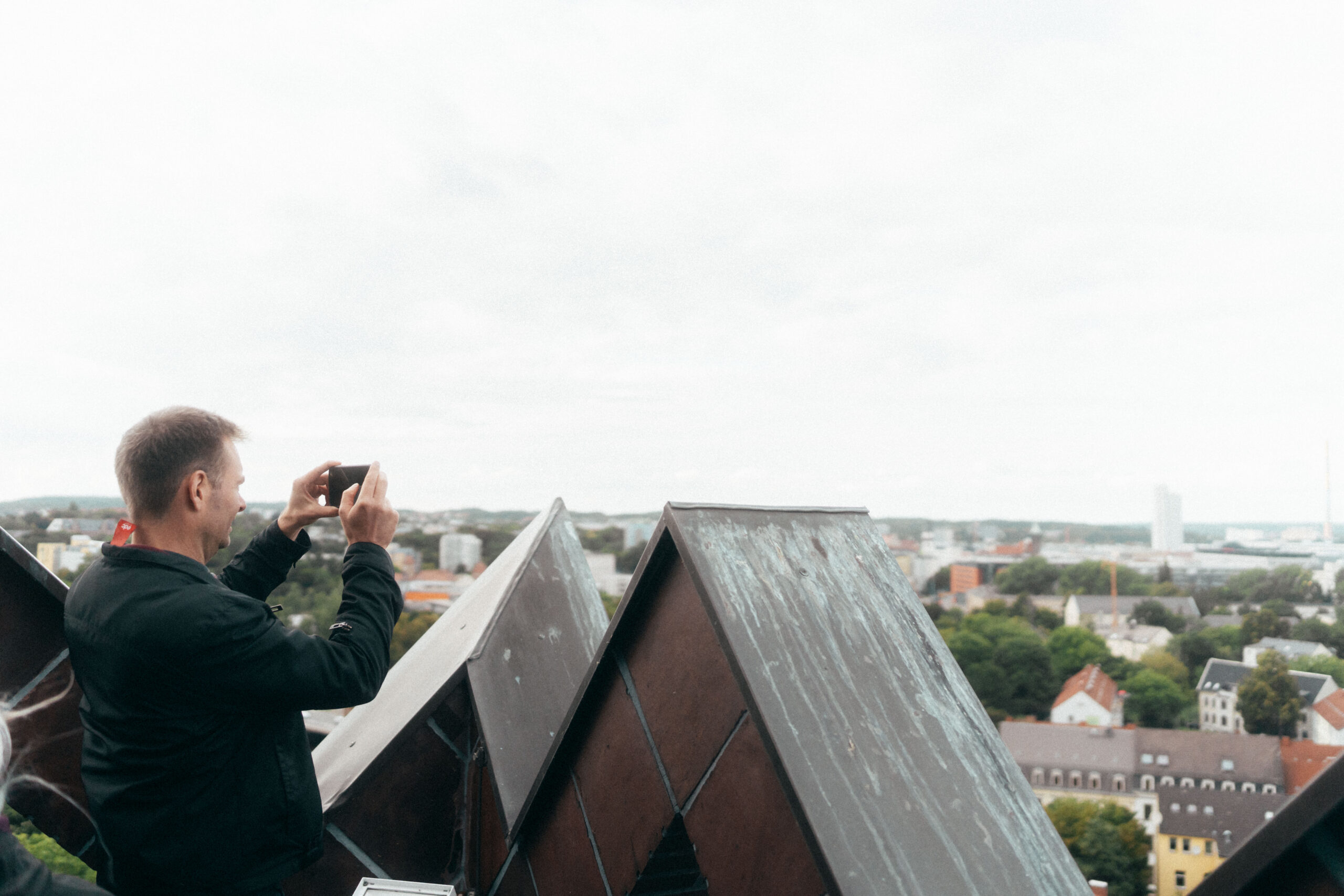
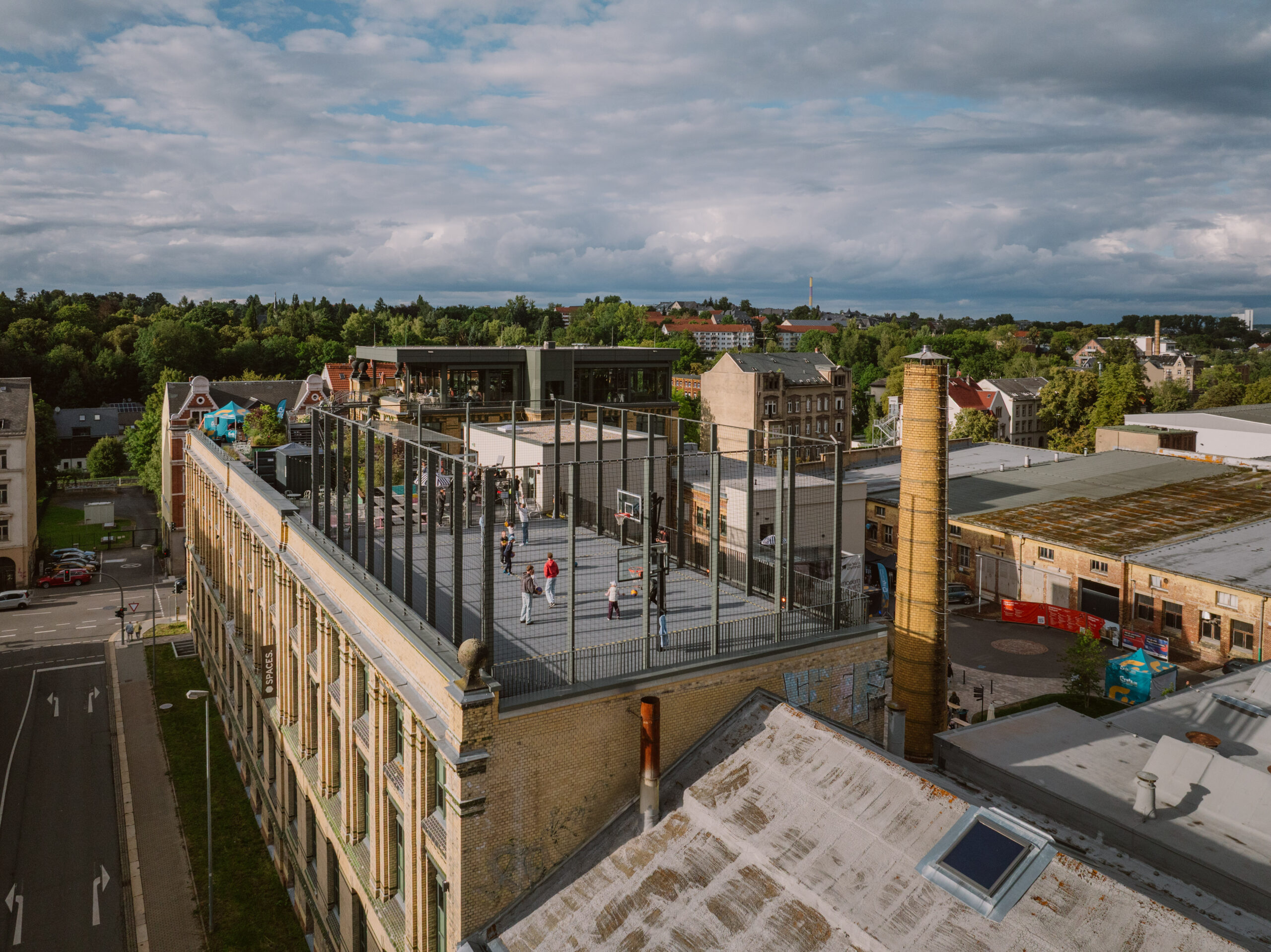
As an East German city close to the Czech border, Chemnitz’s rooftops reflect its history of industrial innovation and are seen as an urban laboratory for new forms of rooftop use. As a founding ECRN partner, the city ran international artist residencies, a rooftop artwork on the Stadthalle with artist Larsen Bervoets, and a green roof pilot. As European Capital of Culture 2025, it held its first rooftop festival, “Bunte Dächer” (Colourful Roofs), opening 17 rooftops and viewpoints to the public.

Urban Gorillas

Nicosia, Cyprus

Observing Nicosia’s roofscape, the border dividing the city dissolves and all buildings and landmarks of both the North and the South of Nicosia come together in the same skyline. The Urban Gorillas is an interdisciplinary team of urban enthusiasts who aim to activate community spaces, inviting the local and international community to reimagine Cyprus’ capital from the rooftop level and create alternative spaces for social interaction and creative expression on top of the buildings as well as in them. The interconnectivity of the ECRN ensures the benefit of international inspiration for Nicosia developments and sharing The Urban Gorillas’ local knowledge with European counterparts.  

Urban Gorillas

Rotterdam Rooftop Days

Rotterdam, Netherlands

Rotterdam has over 18 km² of flat roofs, most of them unused. Rotterdamse Dakendagen (Rotterdam Rooftop Days) has been tackling this since 2014, with an annual festival that turns the city’s roofscape into an open laboratory for a more vibrant, social and sustainable city. Through art, culture and public debate, it celebrates rooftop heritage and pushes the next steps in rooftop use.

Rotterdamse Dakendagen